
- Published on
为什么人们爱听悲伤的音乐(上)
- Authors
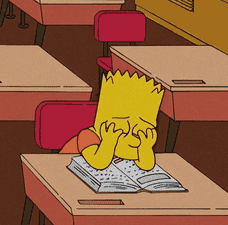
这就是悲伤音乐的悖论:我们通常不喜欢在现实生活中感到悲伤,但我们喜欢让我们感到悲伤的艺术。

双语精读
When Joshua Knobe was younger, he knew an indie rock musician who sang sorrowful, "heart-rending things that made people feel terrible," he recalled recently. At one point he came across a YouTube video, set to her music, that had a suicidal motif.
乔书亚·诺布最近回想起,年轻的时候他认识一位独立摇滚音乐人,这位音乐人会唱那种悲伤的、"令人心碎的、让人感觉很难受的歌"。有一次,他偶然看到了一段YouTube视频,视频配的就是她的音乐,主题是关于自杀的。
"That was the theme of her music," he said, adding, "So I had this sense of puzzlement by it, because I also felt like it had this tremendous value." This is the paradox of sad music: We generally don't enjoy being sad in real life, but we do enjoy art that makes us feel that way.
"这就是她音乐的主题,"诺布说,并补充道,"所以我对她的音乐感到有些困惑,因为我也觉得这种音乐有巨大的价值。"这就是悲伤音乐的悖论:我们通常不喜欢在现实生活中感到悲伤,但我们喜欢让我们感到悲伤的艺术。
Countless scholars since Aristotle have tried to account for it. Maybe we experience a catharsis of negative emotions through music.
自亚里士多德以来,无数学者试图解释这一现象。也许通过音乐,我们体验到一种负面情绪的宣泄。
Maybe there's an evolutionary advantage in it, or maybe we're socially conditioned to appreciate our own suffering. Maybe our bodies produce hormones in response to the fragmentary malaise of the music, creating a feeling of consolation.
也许这会带来进化上的优势,或许社会让我们习惯于欣赏自己的痛苦。也许当音乐引起不可名状的愁绪时,我们的身体会产生荷尔蒙,从而让人感到一种慰藉。
Dr. Knobe is now an experimental philosopher and psychologist at Yale University -- and is married to that indie rock musician who sang those heart-wrenching songs. In a new study, published in the Journal of Aesthetic Education, he and some colleagues sought to tackle this paradox by asking what sad music is all about.
诺布博士现在是耶鲁大学的实验哲学家和心理学家,而且和那位唱心碎歌曲的独立摇滚音乐人结婚了。在发表在《美育》期刊上的一项新研究中,他和几位同事试图通过探究悲伤音乐到底是什么来解决这一悖论。
Over the years, Dr. Knobe's research has found that people often form two conceptions of the same thing, one concrete and one abstract. For example, people could be considered artists if they display a concrete set of features, like being technically gifted with a brush.
多年来,诺布博士的研究发现,人们常常对同一事物形成两种概念,一种是具体的,另一种是抽象的。例如,如果人们表现出一些具体的特点,比如在使用画笔的技巧方面很有天赋,那么他们就可以被视为艺术家。
But if they do not exhibit certain abstract values -- if, say, they lack creativity, curiosity or passion and simply recreate old masterpieces for quick profit -- one could say that, in another sense, they are not artists.
但是,如果他们没有表现出某些抽象的价值--比如说,他们缺乏创造力、好奇心或激情,只是为了快速获利而复制已有的杰作--那么从另一种意义上说,他们可能不算艺术家。
Maybe sad songs have a similarly dual nature, thought Dr.Knobe and his former student, Tara Venkatesan, a cognitive scientist and operatic soprano.
诺布博士和他之前的学生塔拉·文卡蒂森认为,或许悲伤的歌曲也有类似的二元性。文卡蒂森是一位认知科学家,也是唱歌剧女高音的歌手。
Certainly, research has found that our emotional response to music is multidimensional; you're not just happy when you listen to a beautiful song, nor simply made sad by a sad one.
当然,研究发现,我们对音乐的情感反应是多维的,当你听一首优美的歌时,你不会只感到快乐,当你听悲伤的歌时,也不会只感到悲伤。
In 2016, a survey of 363 listeners found that emotional responses to sad songs fell roughly into three categories: grief, including powerful negative feelings like anger, terror and despair; melancholia, a gentle sadness, longing or self-pity; and sweet sorrow, a pleasant pang of consolation or appreciation.
2016年,一项对363名听众的调查发现,对悲伤歌曲的情绪反应大致分为三类:悲痛,其中包括愤怒、恐惧和绝望等强烈的负面情绪;忧郁,这是一种温和的悲伤、渴望或自怜;还有甜蜜的悲伤,即感到一阵心痛且愉悦的安慰和美的享受。
Many respondents described a mix of the three. (The researchers called their study "Fifty Shades of Blue.")
许多受访者对自己情绪的描述是这三类情况的混合。(研究人员将这项研究称为"五十度蓝"。)
词汇预习
curiosity [高考]
美[ˌkjʊriˈɑːsəti] | 英[ˌkjʊəriˈɒsəti]
n. 好奇心;好奇;稀奇的人或物
emotional [高考]
美[ɪˈmoʊʃənl] | 英[ɪˈməʊʃənl]
adj. 感情的;情绪的
response [高考]
美[rɪˈspɑːns] | 英[rɪˈspɒns]
n. 反应;回答;响应;答复
psychologist [高考]
美[saɪˈkɑːlədʒɪst] | 英[saɪˈkɒlədʒɪst]
n.心理学研究者,心理学家
roughly [高考]
美[ˈrʌfli] | 英[ˈrʌfli]
adv. 粗略地;大约;粗暴地;粗糙地;粗鲁地
passion [高考]
美[ˈpæʃn] | 英[ˈpæʃn]
n. 激情;酷爱;强烈情感;盛怒 v.〈诗〉感觉[表现]热情
similarly [高考]
美[ˈsɪmələrli] | 英[ˈsɪmələli]
adv. 相似地;类似地
evolutionary [高考]
美[ˌiːvəˈluːʃəneri] | 英[ˌiːvəˈluːʃənri]
adj. 进化的;发展的;演变的
cognitive [高考]
美[ˈkɑːɡnətɪv] | 英[ˈkɒɡnətɪv]
adj. 认识的;认知的;有认识力的
philosopher [高考]
美[fəˈlɑːsəfər] | 英[fəˈlɒsəfə(r)]
n. 哲学家;思想家;达观者
suffering [高考]
美[ˈsʌfərɪŋ] | 英[ˈsʌfərɪŋ]
n. 痛苦;受难
experimental [高考]
美[ɪkˌsperɪˈmentl] | 英[ɪkˌsperɪˈmentl]
adj. 实验的;实验性的;试验性的
lack [高考]
美[læk] | 英[læk]
n. 缺乏;无 v. 缺乏;不足
appreciate [高考]
美[əˈpriːʃieɪt] | 英[əˈpriːʃieɪt]
vt. 欣赏;赏识;感激;领会;意识到 vi. 增值
former [高考]
美[ˈfɔːrmər] | 英[ˈfɔːmə(r)]
adj. 前者的;前任的;以前的 n. 创造者;[英]学校某一年级的学生
profit [高考]
美[ˈprɑːfɪt] | 英[ˈprɒfɪt]
n. 利润;收益;利益 vi. 得益;获利 vt. 有益于
concrete [高考]
美[ˈkɑːŋkriːt] | 英[ˈkɒŋkriːt]
adj. 具体的;实质性的;混凝土的 n. 水泥;混凝土;具体物 v. 凝结;结合
sorrow [高考]
美[ˈsɑːroʊ] | 英[ˈsɒrəʊ]
n. 悲伤;悲痛;懊悔;伤心事 vi. 悲伤;惋惜;悔恨
appreciation [高考]
美[əˌpriːʃiˈeɪʃn] | 英[əˌpriːʃiˈeɪʃn]
n. 欣赏;感激;鉴识;评价;增值
abstract [高考]
美[ˈæbstrækt] | 英[ˈæbstrækt]
adj. 抽象(派)的,纯理论的 n. 摘要,概要; 抽象派艺术作品 v. 提取,抽取,摘取; 写摘要
self [高考]
美[self] | 英[self]
n. 自己;本性;自我 pron. 我自己;你自己;他或她自己 adj.同一的;纯净的;单一的 v. 近亲繁殖;自花授粉
terror [高考]
美[ˈterər] | 英[ˈterə(r)]
n. 恐怖;惊骇;[口]令人惧怕或讨厌的人或事物
account for [高考]
美[əˈkaʊnt fɔːr] | 英[əˈkaʊnt fɔː(r)]
vt. (在数量方面)占;说明(原因等); 对 ... 负责;导致,引起;击毙,杀死;报账
in response [高考]
美[ɪn rɪˈspɑns] | 英[in riˈspɔns]
作为回答
gifted [高考]
美[ˈɡɪftɪd] | 英[ˈɡɪftɪd]
adj. 有天赋的;有才华的
tackle [高考]
美[ˈtækl] | 英[ˈtækl]
v. 处理;对付;阻截(对方球员);与…交涉 n. 滑车;用具;铲球;(美式足球)拦截手
despair [高考]
美[dɪˈsper] | 英[dɪˈspeə(r)]
n. 绝望;失望 vi. 失望
grief [高考]
美[ɡriːf] | 英[ɡriːf]
n. 悲痛;忧伤
longing [高考]
美[ˈlɔːŋɪŋ] | 英[ˈlɒŋɪŋ]
n. 渴望;憧憬 adj. 渴望的
tremendous [高考]
美[trəˈmendəs] | 英[trəˈmendəs]
adj. 巨大的;惊人的
socially [四级]
美[ˈsoʃəlɪ] | 英['səʊʃəlɪ]
adv. 在社交上;在社会上;与礼貌行为相关
pang [四级]
美[pæŋ] | 英[pæŋ]
n. (肉体上的)剧痛;(精神上的)悲痛;苦闷 v. 使剧痛
technically [四级]
美[ˈteknɪkli] | 英[ˈteknɪkli]
adv. 技术上;学术上;严密地
paradox [四级]
美[ˈpærədɑːks] | 英[ˈpærədɒks]
n. 悖论;似非而是的论点;自相矛盾的话
catharsis [四级]
美[kəˈθɑrsɪs] | 英[kəˈθɑ:sɪs]
n. 洗涤;净化;精神发泄;导泻
sorrowful [六级]
美[ˈsɑroʊfl] | 英[ˈsɒrəʊfl]
adj. 悲伤的;使人伤心的
set to [六级]
美[sɛt tu] | 英[set tu:]
动手干; 认真开始干; 争论; 拳赛; 殴斗
dual [六级]
美[ˈduːəl] | 英[ˈdjuːəl]
adj. 双重的;成双的 n. 双数
married [专四]
美[ˈmærid] | 英[ˈmærid]
adj. 已婚的;婚姻的;密切结合的 n. 已婚者
fell [专四]
美[fel] | 英[fel]
vt. 砍伐;击倒 n. 丘原;沼泽地 adj. 凶残的;毁灭性的
felt [专八]
美[fɛlt] | 英[felt]
n. 毛毡;毡制品 vt. 制毡;使粘结 vi. 毡合
soprano [专八]
美[səˈprɑnoʊ] | 英[səˈprɑ:nəʊ]
n. 女高音;最高音部 adj. 女高音的
fragmentary [专八]
美[ˈfræɡmənteri] | 英[ˈfræɡməntri]
adj. 碎片的;碎块的;碎屑状的;零碎的;不完全的
suicidal [考研]
美[ˌsuɪˈsaɪdl] | 英[ˌsu:ɪˈsaɪdl]
adj. 自杀的;自杀性的;自我毁减的
puzzlement [考研]
美[ˈpʌzəlmənt] | 英[ˈpʌzlmənt]
n. 迷惑;迷
recreate [考研]
美[ˌrikrɪ'eɪt] | 英[ˌri:kriˈeɪt]
v. 再创造;使得到休养;得到消遣;休息娱乐
don [托福]
美[dɑn] | 英[dɒn]
n. 先生(西班牙用语);(牛津、剑桥大学的)指导教师 v. 穿上
重点讲解
When Joshua Knobe was younger, he knew an indie rock musician who sang sorrowful, "heart-rending things that made people feel terrible," he recalled recently. At one point he came across a YouTube video, set to her music, that had a suicidal motif.
乔书亚·诺布最近回想起,年轻的时候他认识一位独立摇滚音乐人,这位音乐人会唱那种悲伤的、"令人心碎的、让人感觉很难受的歌"。有一次,他偶然看到了一段YouTube视频,视频配的就是她的音乐,主题是关于自杀的。
motif n.
1. 装饰图案;装饰图形
【例】wallpaper with a flower motif 有鲜花图案的墙纸
2. (文艺作品的)主题,反复出现的元素;(音乐的)动机
【例】Wealth and infidelity are two of the motifs of The Great Gatsby.
财富和不忠是《了不起的盖茨比》的两个主题。
"That was the theme of her music," he said, adding, "So I had this sense of puzzlement by it, because I also felt like it had this tremendous value." This is the paradox of sad music: We generally don't enjoy being sad in real life, but we do enjoy art that makes us feel that way.
"这就是她音乐的主题,"诺布说,并补充道,"所以我对她的音乐感到有些困惑,因为我也觉得这种音乐有巨大的价值。"这就是悲伤音乐的悖论:我们通常不喜欢在现实生活中感到悲伤,但我们喜欢让我们感到悲伤的艺术。
paradox n. 矛盾的情况;悖论
【例】It is a curious paradox that professional comedians often have unhappy personal lives.
这真是个奇怪的矛盾现象:职业喜剧演员的私人生活往往并不快乐。
【拓展】paradoxically adv. 矛盾地;吊诡地
Countless scholars since Aristotle have tried to account for it. Maybe we experience a catharsis of negative emotions through music.
自亚里士多德以来,无数学者试图解释这一现象。也许通过音乐,我们体验到一种负面情绪的宣泄。
account for
1. 是……的原因;解释
【例】Recent pressure at work may account for his bad temper.
他最近脾气很坏,可能是因为工作上有压力。
【近义词】explain v. 解释;说明原因
2. 占……比例
【例】The Japanese market accounts for 35% of the company's revenue.
日本市场占该公司收入的 35%。
catharsis n. (通过艺术活动)情绪的宣泄;精神的净化
【例】She found acting a catharsis.
她发现演戏具有宣泄作用。
【近义词】release n. 释放
Maybe there's an evolutionary advantage in it, or maybe we're socially conditioned to appreciate our own suffering. Maybe our bodies produce hormones in response to the fragmentary malaise of the music, creating a feeling of consolation.
也许这会带来进化上的优势,或许社会让我们习惯于欣赏自己的痛苦。也许当音乐引起不可名状的愁绪时,我们的身体会产生荷尔蒙,从而让人感到一种慰藉。
condition n. & v.
1. 作名词:环境;境况;条件
【例】The plants grow best in cool, damp conditions.
这种植物最适合在阴凉、潮湿的环境下生长。
2. 作动词:使适应某种情况;训练
【例】Her upbringing did not condition her to life alone in the big city.
她所受的抚养方式使她不能适应在大城市里独自生活。
Pavlov conditioned dogs to salivate at the sound of a bell.
巴甫洛夫把狗训练得一听见铃响就会流口水。
【搭配】condition sb to sth/to do sth
Dr. Knobe is now an experimental philosopher and psychologist at Yale University -- and is married to that indie rock musician who sang those heart-wrenching songs. In a new study, published in the Journal of Aesthetic Education, he and some colleagues sought to tackle this paradox by asking what sad music is all about.
诺布博士现在是耶鲁大学的实验哲学家和心理学家,而且和那位唱心碎歌曲的独立摇滚音乐人结婚了。在发表在《美育》期刊上的一项新研究中,他和几位同事试图通过探究悲伤音乐到底是什么来解决这一悖论。
tackle v. 处理,解决(难题)
【例】The government is determined to tackle inflation.
政府决心解决通货膨胀问题。
【近义词】deal with/grapple with/cope with 处理;解决
Over the years, Dr. Knobe's research has found that people often form two conceptions of the same thing, one concrete and one abstract. For example, people could be considered artists if they display a concrete set of features, like being technically gifted with a brush.
多年来,诺布博士的研究发现,人们常常对同一事物形成两种概念,一种是具体的,另一种是抽象的。例如,如果人们表现出一些具体的特点,比如在使用画笔的技巧方面很有天赋,那么他们就可以被视为艺术家。
technically adv.
1. 从严格意义上来说
【例】They are technically married, but they don’t love each other.
从法律意义上说他们是夫妻,但他们不爱彼此。
She works hard to support her family, but she is technically still a teenager.
她努力工作赚钱来养活家人,但从年龄上看,她还只是个未成年人。
2. 在技巧上;在技术上
【例】As a singer, she is technically accomplished.
作为歌手,她的演唱技巧很精湛。
【拓展】technique n. 技巧;技艺
But if they do not exhibit certain abstract values -- if, say, they lack creativity, curiosity or passion and simply recreate old masterpieces for quick profit -- one could say that, in another sense, they are not artists.
但是,如果他们没有表现出某些抽象的价值--比如说,他们缺乏创造力、好奇心或激情,只是为了快速获利而复制已有的杰作--那么从另一种意义上说,他们可能不算艺术家。
technically adv.
1. 从严格意义上来说
【例】They are technically married, but they don’t love each other.
从法律意义上说他们是夫妻,但他们不爱彼此。
She works hard to support her family, but she is technically still a teenager.
她努力工作赚钱来养活家人,但从年龄上看,她还只是个未成年人。
2. 在技巧上;在技术上
【例】As a singer, she is technically accomplished.
作为歌手,她的演唱技巧很精湛。
【拓展】technique n. 技巧;技艺
Maybe sad songs have a similarly dual nature, thought Dr.Knobe and his former student, Tara Venkatesan, a cognitive scientist and operatic soprano.
诺布博士和他之前的学生塔拉·文卡蒂森认为,或许悲伤的歌曲也有类似的二元性。文卡蒂森是一位认知科学家,也是唱歌剧女高音的歌手。
dual adj. 两部分的;双重的
【例】his dual role as composer and conductor 他兼任作曲家和指挥的双重角色
Certainly, research has found that our emotional response to music is multidimensional; you're not just happy when you listen to a beautiful song, nor simply made sad by a sad one.
当然,研究发现,我们对音乐的情感反应是多维的,当你听一首优美的歌时,你不会只感到快乐,当你听悲伤的歌时,也不会只感到悲伤。
dual adj. 两部分的;双重的
【例】his dual role as composer and conductor 他兼任作曲家和指挥的双重角色
In 2016, a survey of 363 listeners found that emotional responses to sad songs fell roughly into three categories: grief, including powerful negative feelings like anger, terror and despair; melancholia, a gentle sadness, longing or self-pity; and sweet sorrow, a pleasant pang of consolation or appreciation.
2016年,一项对363名听众的调查发现,对悲伤歌曲的情绪反应大致分为三类:悲痛,其中包括愤怒、恐惧和绝望等强烈的负面情绪;忧郁,这是一种温和的悲伤、渴望或自怜;还有甜蜜的悲伤,即感到一阵心痛且愉悦的安慰和美的享受。
appreciation n.
1. 欣赏
【例】to develop an appreciation of poetry and literature
培养对诗歌和文学的欣赏力
2. 感激;感谢
【例】The butler was presented with a gold watch in appreciation of his long service.
为了感谢管家多年来的服务,他得到了一块金表。
3. 升值
【例】the appreciation of property 房地产的升值
【拓展】appreciate v. 欣赏;感激;升值
Many respondents described a mix of the three. (The researchers called their study "Fifty Shades of Blue.")
许多受访者对自己情绪的描述是这三类情况的混合。(研究人员将这项研究称为"五十度蓝"。)
appreciation n.
1. 欣赏
【例】to develop an appreciation of poetry and literature
培养对诗歌和文学的欣赏力
2. 感激;感谢
【例】The butler was presented with a gold watch in appreciation of his long service.
为了感谢管家多年来的服务,他得到了一块金表。
3. 升值
【例】the appreciation of property 房地产的升值
【拓展】appreciate v. 欣赏;感激;升值
课后练习
What was Joshua Knobe’s attitude towards sad music?
A. He disapproved of its negative mood.
B. He tried to avoid hearing such songs.
C. He was confused about its attraction.
D. He aspired to create similar songs.
One of the theories of why people like sad music is that ____.
A. it helps people understand their emotions
B. the capacity of emotion is unique to human
C. sadness can induce a feeling of comfort
D. some people have a tendency to depression
What is people’s conception of a thing according to Dr. Knobe?
A. Some people can only see the concrete aspect.
B. The abstract is more prominent than the concrete.
C. It is more difficult to form the abstract conception.
D. The abstract and the concrete coexist in the same thing.
The findings of the “Fifty Shades of Blue” study showed that ____.
A. people’s emotional responses to sad music were hard to define
B. people’s preference for music was affected by their mood
C. most people had negative feelings when listening to sad music
D. different types of sadness could create a sense of beauty