
- Published on
为什么零食一吃就停不下来(上)
- Authors
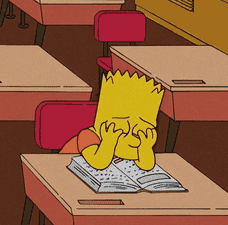
不管我吃了多少超市卖的这种吐司,我都无法感到食欲被满足。吃了就像没吃一样。

双语精读
Nearly three decades ago, when I was an overweight teenager, I sometimes ate six pieces of sliced white toast in a row, each one slathered in butter or jam.
将近三十年前,我那时还是一个身材肥胖的青少年,我有时会连吃六片白面包吐司切片,每片都涂着厚厚一层黄油或果酱。
I remember the spongy texture of the bread as I took it from its plastic bag. No matter how much of this supermarket toast I ate, I hardly felt sated. It was like eating without really eating.
我还记得把面包从塑料袋里取出来时,面包那松软的手感。不管我吃了多少超市卖的这种吐司,我都无法感到食欲被满足。吃了就像没吃一样。
Other days, I would buy a box of Crunchy Nut Cornflakes or a tube of Pringles: sour cream and onion flavour stackable snack chips, which were an exciting novelty at the time, having only arrived in the UK in 1991.
其他时候,我会买一盒脆坚果玉米片或一筒品客薯片: 酸奶油味和洋葱味的可堆叠起来的零食薯片,这在当时是一种令人兴奋的新鲜东西,1991年才进入英国。
Although the carton was big enough to feed a crowd, I could demolish most of it by myself in a sitting. Each chip, with its salty and powdery sour cream coating, sent me back for another one.
虽然一盒的量够一大群人吃,但我一口气就能消灭掉大半盒。每一片薯片都裹着咸香的粉状酸奶油,让我吃了还想吃。
I loved the way the chips -- curved like roof tiles -- would dissolve slightly on my tongue. After one of these binges -- because that is what they were -- I would speak to myself with self-loathing.
我喜欢如屋顶瓦片般弯曲的薯片在我的舌头上微微融化的感觉。在这样狂吃之后----因为这就是暴饮暴食----我会厌恶自己并自言自语。
"What is wrong with you?" I would say to the tear-stained face in the mirror. I blamed myself for my lack of self-control.
"你是怎么了?" 我会对着镜子里那张满面泪痕的脸说。我责备自己缺乏自控力。
But now, all these years later, having mostly lost my taste for sliced bread, sugary cereals and snack chips, I feel I was asking myself the wrong question. It shouldn't have been "What is wrong with you?" but "What is wrong with this food?"
但现在,这么多年过去了,我对切片面包、含糖麦片和零食薯片已经基本上没了胃口,我觉得自己当年问错了问题。不应该是"你是怎么了?"而是"这些食物是怎么了?"
Back in the 90s, there was no word to cover all the items I used to binge on. Some of the things I over-ate -- crisps or chocolate or fast-food burgers -- could be classified as junk food, but others, such as bread and cereal, were more like household staples.
早在90年代,没有哪个词能概括我曾狂吃的所有的东西。我猛吃的一些食物----薯片、巧克力、快餐汉堡----可以被归类为垃圾食品,但其他的,比如面包和麦片,则更像是家庭主食。
These various foods seemed to have nothing in common except for the fact that I found them very easy to eat a lot of, especially when sad. As I ate my Pringles and my white bread, I felt like a failure for not being able to stop.
这些不同的食物似乎没有什么共同点,除了我发现它们很容易一吃就吃很多,尤其是在悲伤的时候。我一边吃着品客薯片和白面包,一边觉得自己像是一个失败者,因为我无法让自己停下来。
I had no idea that there would one day be a technical explanation for why I found them so hard to resist. The word is "ultra-processed" and it refers to foods that tend to be low in essential nutrients, high in sugar, oil and salt and liable to be over-consumed.
我当时不知道有一天会有一个科学解释,说明为什么我发现这些食物的诱惑如此难以抵挡。这个专业术语是"超加工食品",指的是那些基本营养素含量低,糖、油、盐含量高,容易被过量食用的食物。
词汇预习
essential [高考]
美[ɪˈsenʃl] | 英[ɪˈsenʃl]
adj. 本质的;必要的;重要的 n. 要素;必需品
household [高考]
美[ˈhaʊshoʊld] | 英[ˈhaʊshəʊld]
n. 家庭;户 adj. 家庭的;家喻户晓的
lack [高考]
美[læk] | 英[læk]
n. 缺乏;无 v. 缺乏;不足
explanation [高考]
美[ˌekspləˈneɪʃn] | 英[ˌekspləˈneɪʃn]
n. 解释;说明
tube [高考]
美[tuːb] | 英[tjuːb]
n. 管,管子;管状物;管状容器;管状器官;[英](伦敦)地铁;[美]电视机 vt. 使成管状;把…装管;用管输送 vi. 乘地铁;不及格
overweight [高考]
美[ˌoʊvərˈweɪt] | 英[ˌəʊvəˈweɪt]
adj. 超重的;过胖的 n. 超重 vt. 使超重;过于重视
technical [高考]
美[ˈteknɪkl] | 英[ˈteknɪkl]
adj. 技术的;技能的;工艺的;专门技术的
roof [高考]
美[ruːf] | 英[ruːf]
n. 屋顶;顶 vt. 覆盖;给 ... 覆以屋顶
resist [高考]
美[rɪˈzɪst] | 英[rɪˈzɪst]
v. 抵制;抵抗;反抗;忍住 n. 防蚀涂层
self [高考]
美[self] | 英[self]
n. 自己;本性;自我 pron. 我自己;你自己;他或她自己 adj.同一的;纯净的;单一的 v. 近亲繁殖;自花授粉
lack of [高考]
美[læk ʌv] | 英[læk ɔv]
缺乏
except for [高考]
美[ɪkˈsɛpt fɔr] | 英[ikˈsept fɔ:]
adv. 除 ... 之外; 要不是由于
flavour [高考]
美[ˈfleɪvər] | 英[ˈfleɪvə(r)]
n. 味道;风味;韵味 vt. 给...加味;给...增添风趣
dissolve [高考]
美[dɪˈzɑːlv] | 英[dɪˈzɒlv]
vt. 使(固体)溶解;解除(婚姻关系);终止(商业协议);解散(议会) vi. 溶解;消散;禁不住(笑起来或哭起来等) n.(电影中)(画面的)叠化,淡入淡出,渐隐
would [高考]
美[wʊd , wəd] | 英[wʊd , wəd]
aux. 将;可能;大概;总会;愿意;will的过去式
liable [四级]
美[ˈlaɪəbl] | 英[ˈlaɪəbl]
adj. 有义务的;应负责的;有 ... 倾向;可能的;易遭受…的,易患…(病)的
fast-food [四级]
美['fɑst'fud] | 英['fɑ:st'fu:d]
n. 快餐 adj.(与)快餐(有关)的,供应快餐的
self-control [四级]
美[ˌself kənˈtroʊl] | 英[ˌself kənˈtrəʊl]
n. 克己;自制,自我调节
cereal [四级]
美[ˈsɪriəl] | 英[ˈsɪəriəl]
n. 麦片粥;谷类食物 adj. 谷类的;谷物的
sugary [四级]
美[ˈʃʊɡəri] | 英[ˈʃʊɡəri]
adj. 含糖的;甜的;甜言蜜语的
texture [四级]
美[ˈtekstʃər] | 英[ˈtekstʃə(r)]
n. 质地;手感;口感;组织;结构;纹理;特点 vt. 给予结构
one day [四级]
美[wʌn de] | 英[wʌn dei]
(过去或将来)某一天
liable to [四级]
美[ˈlaɪəbəl tu] | 英[ˈlaiəbl tu:]
adj. 易于 ... 的; 有 ... 的倾向
explanation for [四级]
美 | 英
对...的解释
novelty [六级]
美[ˈnɑːvlti] | 英[ˈnɒvlti]
n. 【C】新奇;小装饰 n. 【U】新奇的事物;新奇的经验
demolish [专四]
美[dɪˈmɑːlɪʃ] | 英[dɪˈmɒlɪʃ]
v. 拆毁;破坏;驳倒;[口]吃光
felt [专八]
美[fɛlt] | 英[felt]
n. 毛毡;毡制品 vt. 制毡;使粘结 vi. 毡合
binge [专八]
美[bɪndʒ] | 英[bɪndʒ]
n. 狂欢作乐;放纵 vi. 狂欢作乐
coating [托福]
美[ˈkoʊtɪŋ] | 英[ˈkəʊtɪŋ]
涂层; 衣料
重点讲解
Nearly three decades ago, when I was an overweight teenager, I sometimes ate six pieces of sliced white toast in a row, each one slathered in butter or jam.
将近三十年前,我那时还是一个身材肥胖的青少年,我有时会连吃六片白面包吐司切片,每片都涂着厚厚一层黄油或果酱。
in a row
1. 排成一排
【例】The kids were sitting in a row.
孩子们坐成一排。
2. 连续地;接连地
【例】This is her third win in a row.
这是她连续第三次获得胜利。
【近义词】in succession 连续地
texture n.
1. 质地;纹理;口感;手感
【例】cotton of a firm/soft texture 质地结实的棉布
2. 本质;结构特征
【例】the texture of society 社会的结构特征
sate v. 满足欲望
【例】sate one’s curiosity/thirst/desire for power
满足某人的好奇心/解渴/满足权力欲
【近义词】satisfy v. 满足(欲望、需求等)
I remember the spongy texture of the bread as I took it from its plastic bag. No matter how much of this supermarket toast I ate, I hardly felt sated. It was like eating without really eating.
我还记得把面包从塑料袋里取出来时,面包那松软的手感。不管我吃了多少超市卖的这种吐司,我都无法感到食欲被满足。吃了就像没吃一样。
in a row
1. 排成一排
【例】The kids were sitting in a row.
孩子们坐成一排。
2. 连续地;接连地
【例】This is her third win in a row.
这是她连续第三次获得胜利。
【近义词】in succession 连续地
texture n.
1. 质地;纹理;口感;手感
【例】cotton of a firm/soft texture 质地结实的棉布
2. 本质;结构特征
【例】the texture of society 社会的结构特征
sate v. 满足欲望
【例】sate one’s curiosity/thirst/desire for power
满足某人的好奇心/解渴/满足权力欲
【近义词】satisfy v. 满足(欲望、需求等)
Other days, I would buy a box of Crunchy Nut Cornflakes or a tube of Pringles: sour cream and onion flavour stackable snack chips, which were an exciting novelty at the time, having only arrived in the UK in 1991.
其他时候,我会买一盒脆坚果玉米片或一筒品客薯片: 酸奶油味和洋葱味的可堆叠起来的零食薯片,这在当时是一种令人兴奋的新鲜东西,1991年才进入英国。
novelty n.
1. 新奇;新颖
【例】After the novelty of her new job wore off, she did not want to do it anymore.
新工作的新鲜劲儿一过,她就不想再继续干了。
2. 新奇的事物
【例】Remote working, once a novelty, is now more commonplace.
居家办公曾经是很新奇的安排,现在已经比较常见了。
【拓展】novel adj. 新奇的
demolish v.
1. 拆毁;拆除
【例】The factory is due to be demolished next year.
这个工厂定于明年拆除。
2. 驳倒;推翻(观点或理论)
【例】A recent book has demolished the theory.
最近出版的一本书推翻了这种理论。
3. 狼吞虎咽地吃
【例】The children demolished their burgers.
孩子们狼吞虎咽地吃完了自己的汉堡。
in a sitting 一口气地
【例】I read the novel/watched the film in a sitting.
我一口气把小说读完了/把电影看完了。
Although the carton was big enough to feed a crowd, I could demolish most of it by myself in a sitting. Each chip, with its salty and powdery sour cream coating, sent me back for another one.
虽然一盒的量够一大群人吃,但我一口气就能消灭掉大半盒。每一片薯片都裹着咸香的粉状酸奶油,让我吃了还想吃。
novelty n.
1. 新奇;新颖
【例】After the novelty of her new job wore off, she did not want to do it anymore.
新工作的新鲜劲儿一过,她就不想再继续干了。
2. 新奇的事物
【例】Remote working, once a novelty, is now more commonplace.
居家办公曾经是很新奇的安排,现在已经比较常见了。
【拓展】novel adj. 新奇的
demolish v.
1. 拆毁;拆除
【例】The factory is due to be demolished next year.
这个工厂定于明年拆除。
2. 驳倒;推翻(观点或理论)
【例】A recent book has demolished the theory.
最近出版的一本书推翻了这种理论。
3. 狼吞虎咽地吃
【例】The children demolished their burgers.
孩子们狼吞虎咽地吃完了自己的汉堡。
in a sitting 一口气地
【例】I read the novel/watched the film in a sitting.
我一口气把小说读完了/把电影看完了。
I loved the way the chips -- curved like roof tiles -- would dissolve slightly on my tongue. After one of these binges -- because that is what they were -- I would speak to myself with self-loathing.
我喜欢如屋顶瓦片般弯曲的薯片在我的舌头上微微融化的感觉。在这样狂吃之后----因为这就是暴饮暴食----我会厌恶自己并自言自语。
dissolve v.
1. 溶解
【例】Salt dissolves in water.
盐溶解于水。
【拓展】solution/melt n./v. 溶液/融化
2. 解除;解散
【例】They dissolved their partnership.
他们解除了合伙关系。
His anger dissolved.
他的怒气消散了。
loathing n. 厌恶;憎恨
【例】a deep loathing of war 对战争的深恶痛绝
【拓展】loath adj. 不情愿
【例】He was loath to admit his mistake.
他不愿承认自己的错误。
【辨析】dislike/hate/resent v. 不喜欢/讨厌/怨恨
"What is wrong with you?" I would say to the tear-stained face in the mirror. I blamed myself for my lack of self-control.
"你是怎么了?" 我会对着镜子里那张满面泪痕的脸说。我责备自己缺乏自控力。
stain v. 沾上污渍
【例】His shirt was stained with blood.
他的衬衫上沾有血迹。
The juice from the strawberries stained their fingers red.
草莓的汁液把他们的手指染红了。
But now, all these years later, having mostly lost my taste for sliced bread, sugary cereals and snack chips, I feel I was asking myself the wrong question. It shouldn't have been "What is wrong with you?" but "What is wrong with this food?"
但现在,这么多年过去了,我对切片面包、含糖麦片和零食薯片已经基本上没了胃口,我觉得自己当年问错了问题。不应该是"你是怎么了?"而是"这些食物是怎么了?"
stain v. 沾上污渍
【例】His shirt was stained with blood.
他的衬衫上沾有血迹。
The juice from the strawberries stained their fingers red.
草莓的汁液把他们的手指染红了。
Back in the 90s, there was no word to cover all the items I used to binge on. Some of the things I over-ate -- crisps or chocolate or fast-food burgers -- could be classified as junk food, but others, such as bread and cereal, were more like household staples.
早在90年代,没有哪个词能概括我曾狂吃的所有的东西。我猛吃的一些食物----薯片、巧克力、快餐汉堡----可以被归类为垃圾食品,但其他的,比如面包和麦片,则更像是家庭主食。
staple adj. & n.
1. 作形容词:主要的;基本的
【例】The staple crop in many Southeast Asian countries is rice.
许多东南亚国家的主要农作物是水稻。
2. 作名词:主食;主要产品
【例】Insects are a staple for most frogs.
昆虫是大多数蛙类的主要食物。
These various foods seemed to have nothing in common except for the fact that I found them very easy to eat a lot of, especially when sad. As I ate my Pringles and my white bread, I felt like a failure for not being able to stop.
这些不同的食物似乎没有什么共同点,除了我发现它们很容易一吃就吃很多,尤其是在悲伤的时候。我一边吃着品客薯片和白面包,一边觉得自己像是一个失败者,因为我无法让自己停下来。
staple adj. & n.
1. 作形容词:主要的;基本的
【例】The staple crop in many Southeast Asian countries is rice.
许多东南亚国家的主要农作物是水稻。
2. 作名词:主食;主要产品
【例】Insects are a staple for most frogs.
昆虫是大多数蛙类的主要食物。
I had no idea that there would one day be a technical explanation for why I found them so hard to resist. The word is "ultra-processed" and it refers to foods that tend to be low in essential nutrients, high in sugar, oil and salt and liable to be over-consumed.
我当时不知道有一天会有一个科学解释,说明为什么我发现这些食物的诱惑如此难以抵挡。这个专业术语是"超加工食品",指的是那些基本营养素含量低,糖、油、盐含量高,容易被过量食用的食物。
liable adj.
1. 负有法律责任的
【例】He is liable for this debt.
他有责任还清这笔债。
【拓展】liability n. 法律责任
2. 可能(做某事)
【例】We're all liable to make mistakes when we're tired.
我们在疲劳时都可能出差错。
【近义词】be likely to do sth 可能做某事
课后练习
What can be learned about the author?
A. She used to eat toast to lose weight.
B. She didn’t like the food sold in the supermarket.
C. She tended to get hungry very quickly.
D. She couldn’t stop eating snacks.
How did eating snacks influence the author’s mood?
A. Eating snacks helped to relieve her mental stress.
B. Eating snacks always made her feel less sad.
C. Eating snacks made her feel disappointed in herself.
D. Eating snacks gave her exciting and new experiences.
What does the author realize now about her overeating issue?
A. She shouldn’t use food to make herself feel better.
B. She shouldn’t feel ashamed of her body shape.
C. She shouldn’t blame herself for overeating.
D. She shouldn’t indulge herself in eating snacks.
According to the text, ultra-processed food ____.
A. is often consumed as staples
B. is designed to lure people into overeating
C. is much cheaper than healthy food
D. is tasty and good for the body